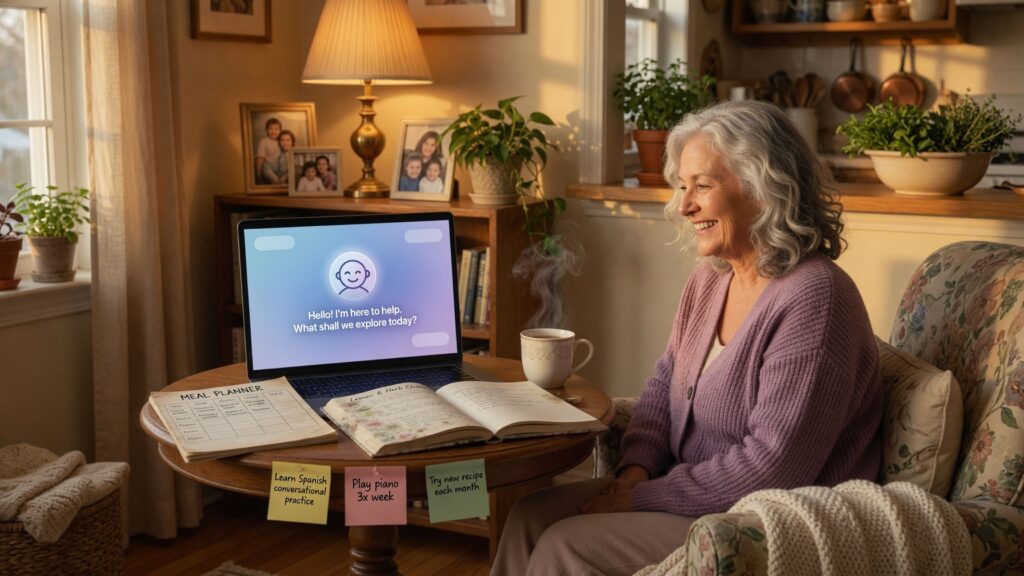
I used to run kitchens. Now I read a restaurant menu with AI so I can enjoy dinner.
I’m 68. I spent decades in restaurants. I know what a dish is when I hear the kitchen talk. As a guest, I still hit menus that read like a novel. Long names. Fancy words. A little card with pictures and no plain English.
You do not need an AI foodie app. You need kitchen-table English. Kitchen-table English means ordinary words, like you would use at home. Then you pick. Then you put the phone down.
Same habit as the spice drawer and the ice cream board. Photograph it. Ask. Decide yourself. I wrote about that in I Photographed My Spice Drawer and Asked AI What to Toss and I Costed a 10-Cent Ice Cream Cone.
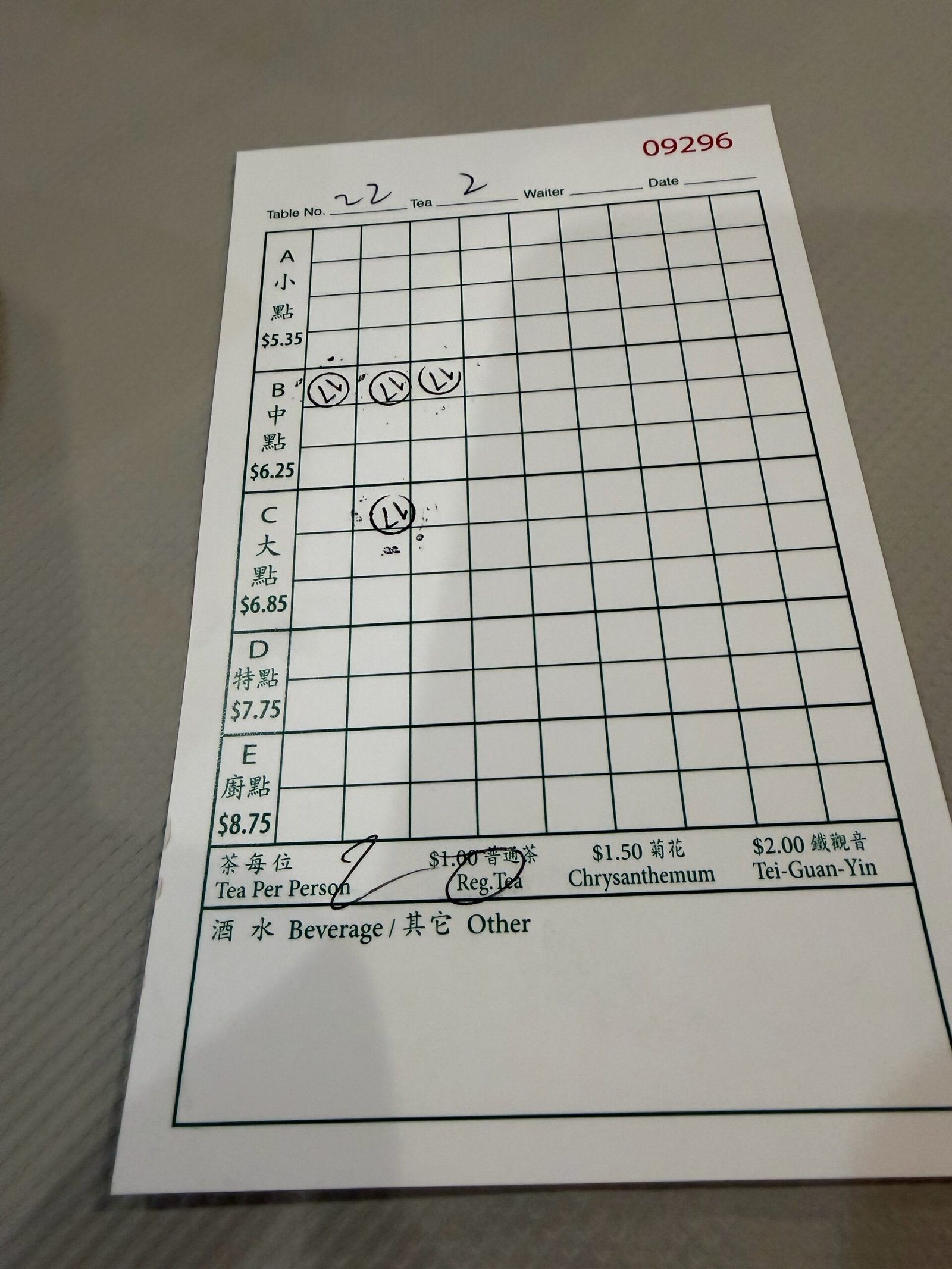
Three jobs when I read a restaurant menu with AI
I open Grok. Gemini works too if that is what is handy in your browser. At work and at home I also use Copilot. I attach a photo of the menu, the dim sum card, or the cart. Dim sum is small plates that come on a cart or off a paper card. Then I ask for three things only.
1. Decode the dish. What is it, in plain English. Meat or not. Fried or steamed. Sauce or dry. No food-magazine language.
2. Pick what fits how I eat tonight. Not “best on Yelp.” Not “what influencers order.” I love shrimp and pork. Hard nos I already know: heavy stinky fermented flavors, and lots of fish sauce. Some risk is fine. Crazy is not.
3. One smart question for the server. Then the phone goes down. Dinner is with the people at the table, not with the screen.
That is the whole job. I am a guest now. I am not running the line.
The prompt I copy
Paste this. Attach the photo. Fill in the brackets.
I'm 68. I used to work in restaurants. I'm a guest at dim sum. Here's a photo of the [menu / paper card / cart].

I love shrimp and pork. Hard nos: heavy stinky fermented flavors, and anything with lots of fish sauce. I want some risk, but not too crazy.

Guide me in kitchen-table English:
1) What the Chinese writing means on what I'm pointing at
2) What to order, in a sensible order (not all at once)
3) Exact words I can say to request it from the cart or server
4) One beverage and one dessert that fit

Don't invent prices. Don't sell me anything. Don't use fancy food words. Keep it short.
Read the answer. Change anything that does not sound like you. Use the words it gives you for the cart or the server. Then put the phone down.
If typing is a pain, talk the prompt. Same idea as the voice post. Speak it. Then read it before you trust it.
What this will not do
It will not taste the food for you. It will not order for you. It will not make the kitchen change the dish.
It will not make you the person filming the table. Leave other people out of the photo. Photograph the card or the menu, not your dinner partner.
It will not turn dinner into a product review. One meal. One choice. Phone down after the question.
Later you can do the same move on your phone with Table Card — photograph the menu, copy a prompt, open Grok, put the phone down. Tonight is dinner.
Try it this week
The next time the card or the cart feels like a puzzle, take one quiet photo. Open Grok or Gemini. Paste the prompt. Fill in what you like and what you won’t eat.
Then put the phone away. Talk to the person across from you. Eat.
If you try it, tell me in the comments what you ordered — or the one thing you asked the server. I read every one. I’m still learning this with you.
— Andrew