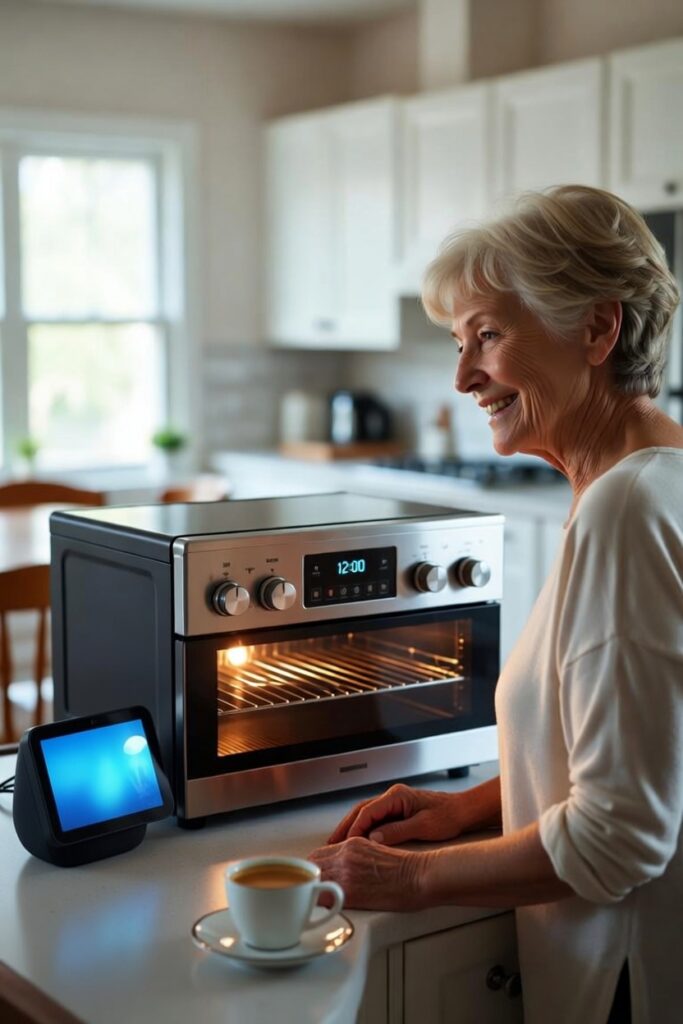
When I talk to AI out loud, it doesn’t feel like using a computer. It feels like having a friend on the phone while I work.
I’m 68. I spent my working life in restaurants, and I still think best with my hands busy. Late on a Tuesday afternoon I was in the middle of a house project. My phone was nearby, and I was talking with Grok on voice. Grok is the AI assistant I use most. Talking on voice means I speak and it speaks back, with no typing.
“Hold on”
Then I heard it. A loud, low thud of rotor blades, close enough to feel in my chest. A military helicopter was coming in low over Green Mountain.
I said, “Hold on,” and ran outside.
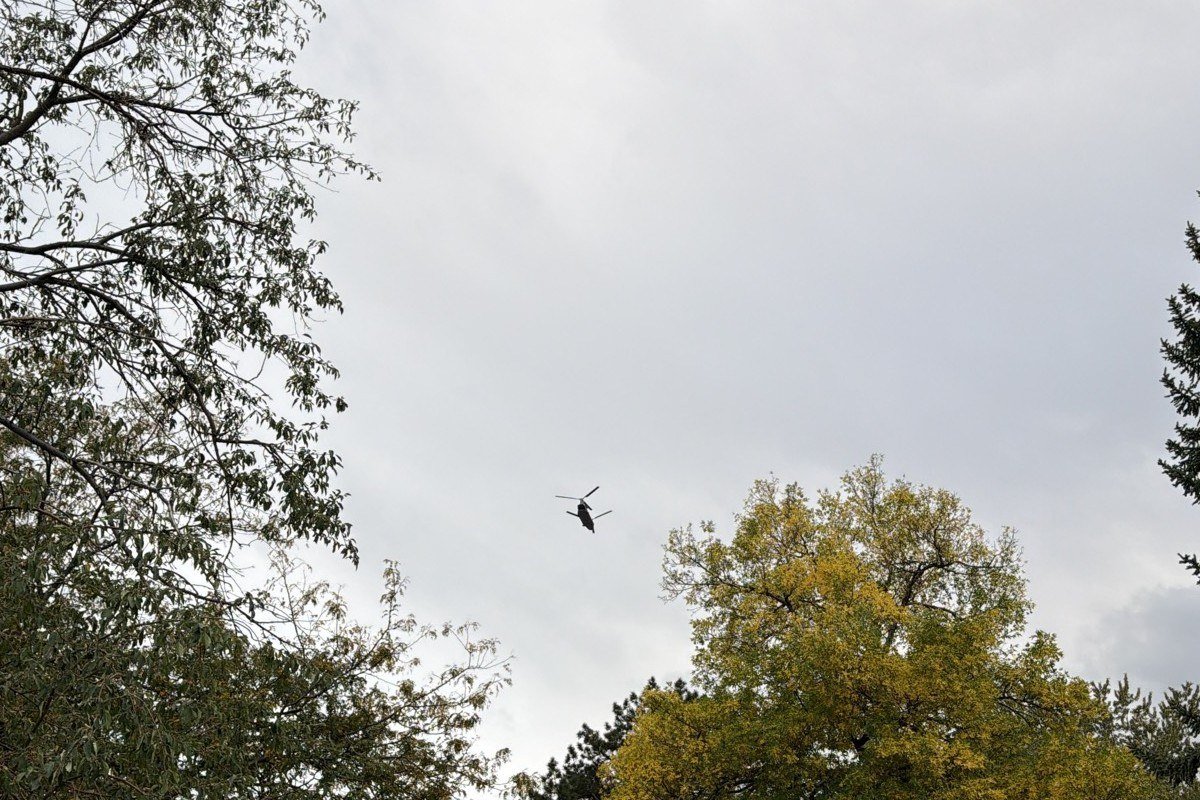
I got one photo. It’s tiny. The helicopter is a little shape against a lot of sky, but that one photo turned out to matter.
The first guess
I told Grok what I’d seen: two rotors, one in front and one in back, and a camouflage paint job.
From that description, Grok guessed a CH-47 Chinook. The CH stands for cargo helicopter. It’s the big one with two rotors that you’ve probably seen in the news or at an air show.
That was a reasonable guess from what I said. But what I said was a quick look at something loud going by fast.
Then it saw the picture
I sent Grok the photo.
It changed its answer. Looking at the picture, it saw one main rotor, not two, and said this was more likely a UH-72 Lakota. It told me the Colorado Army National Guard flies them out of Buckley for search-and-rescue, hoist training, and mountain rescue. Hoist training means practicing lifting a person up into the helicopter on a cable.
A helicopter low over the mountains suddenly made a lot more sense.
What I liked about that
I didn’t care much about the model number. What I noticed was that it changed its mind.
When it only had my words, it gave its best guess. When it got better evidence, it said so and gave a new answer. It didn’t argue for the first guess.
That is what I want from anybody helping me, a person or a machine. In a kitchen, a good cook says, “I thought that was the halibut, but I was wrong, it’s the cod.” A bad cook digs in.
It’s also a reminder for me. The first answer is only as good as what I gave it. A rushed description from a man who just ran across the yard got a decent guess. A photo got a better one. If you want a better answer, give it better information.
Here’s a funny footnote. When I zoomed in on my photo later, it looks like two rotors, one at each end. That’s a Chinook, which is what I told Grok in the first place. So Grok may have been right the first time and talked itself out of it. AI can be wrong too, and that’s why I still check anything that matters.
The twist
Here’s the part that still makes me smile. When I tell this story, it sounds like I called a friend who knows aircraft. “Hold on, there’s a helicopter, let me get a picture. Okay, what is it?”
But the friend on the phone was Grok.
I wasn’t searching anything. I was just talking while I worked, the way you would with someone in the room. When something came up, I asked about it and kept going.
That’s the everyday use I keep coming back to. AI isn’t only for big projects or work email. It can be somebody to think out loud with. You ask what that noise was, what that word means, or whether you measured that board right.
I still decide what to believe. If something mattered, like a safety question or money, I’d check it somewhere else. For “what was that helicopter?”, a good guess that changes when it sees a photo is just right.
One small look ahead
Today the friend stays in my phone, and I’m the one who runs outside. Someday a robot helper, like the Optimus robot Tesla is working on, might run out with me and answer “what is that?” right there in the yard.
How to talk to AI out loud yourself
Next time you’re doing something with your hands, turn on voice in Grok, Copilot, Gemini, or Claude and just talk. When something catches your eye, ask about it. If you can, show it a photo and see whether the answer changes. On an iPhone, here’s what the new Siri can and can’t do.
Have you ever asked AI about something you saw out the window? Tell me in the comments. I read every one.
— Andrew
Want more plain-English AI help? Get my free 9-page starter guide.
The guide arrives in your welcome email right after you confirm.